“To go home”
Pulang
Queer kitchen — Sept 2024Growing up in Singapore from ages 2 to 13, I felt like I belonged.
The customs, the food, the rhythms — they imprinted deeply on me.
I felt Singaporean.
But the world saw me as an expat, never fully belonging to the place that felt like home.
When I returned to the Netherlands, I was lost. I looked Dutch, but I didn’t feel it. I felt more Asian than European, and yet, I didn’t quite fit there either.
Coming back to the Netherlands felt like being uprooted, as though I had to learn all over again how to exist in a place I was supposed to call my own.
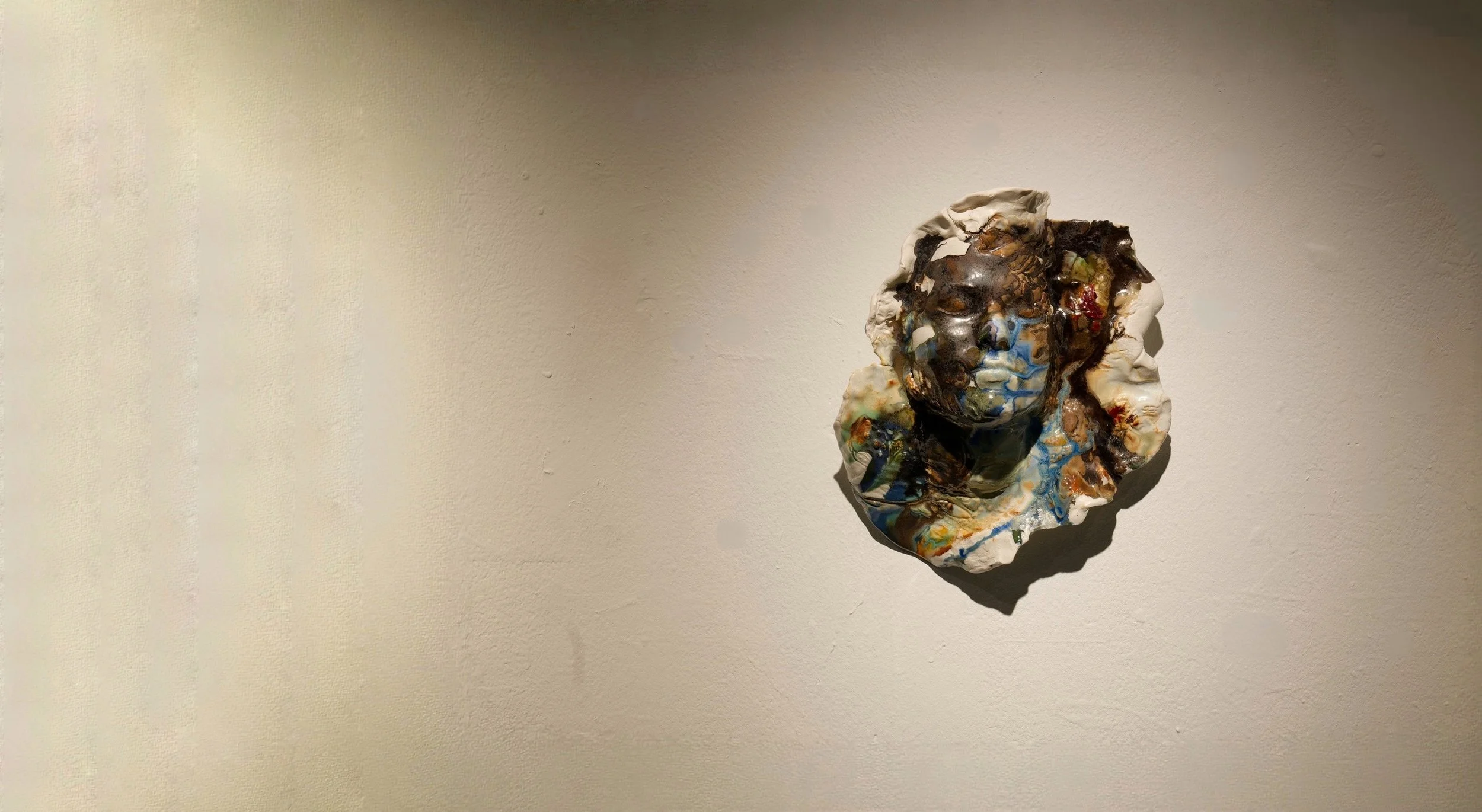
“That struggle of feeling displaced, of not knowing where I truly belonged — became a central thread in my work.”"
I inherited a batik stamp from my grandfather, a piece of my Indonesian roots and a symbol of colonial history that I’ve come to understand as part of me.
This project is an extension of that inheritance.
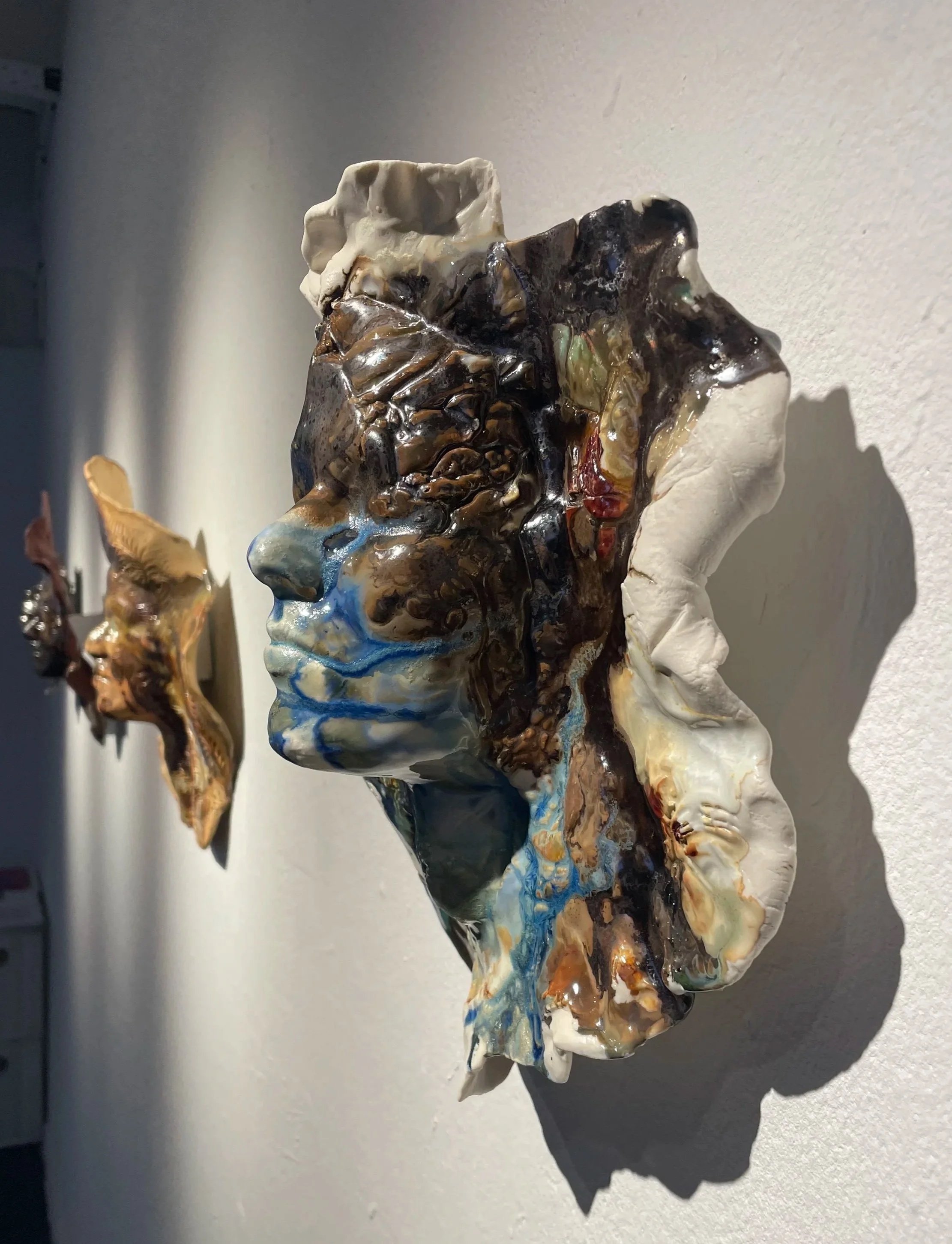
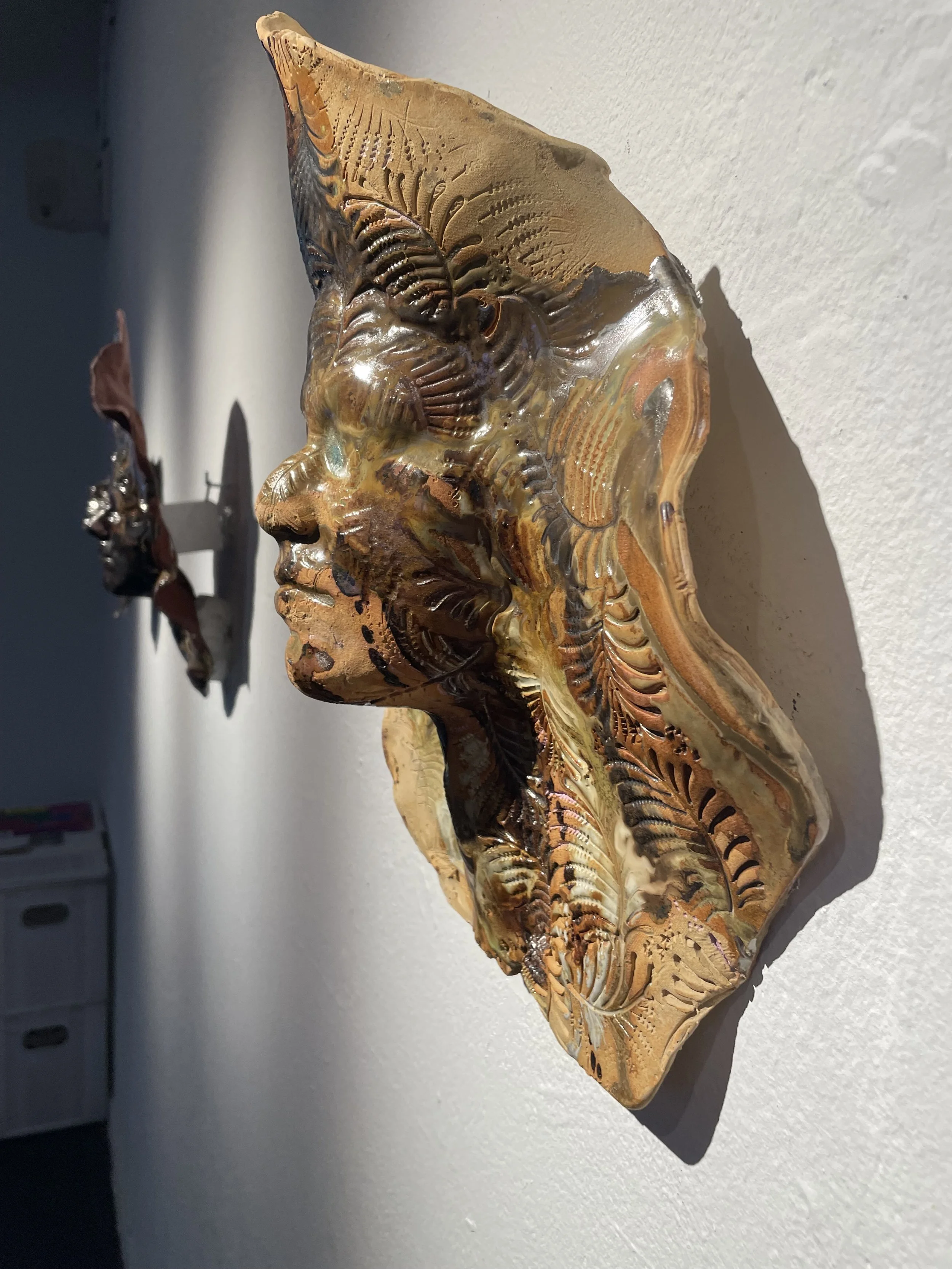
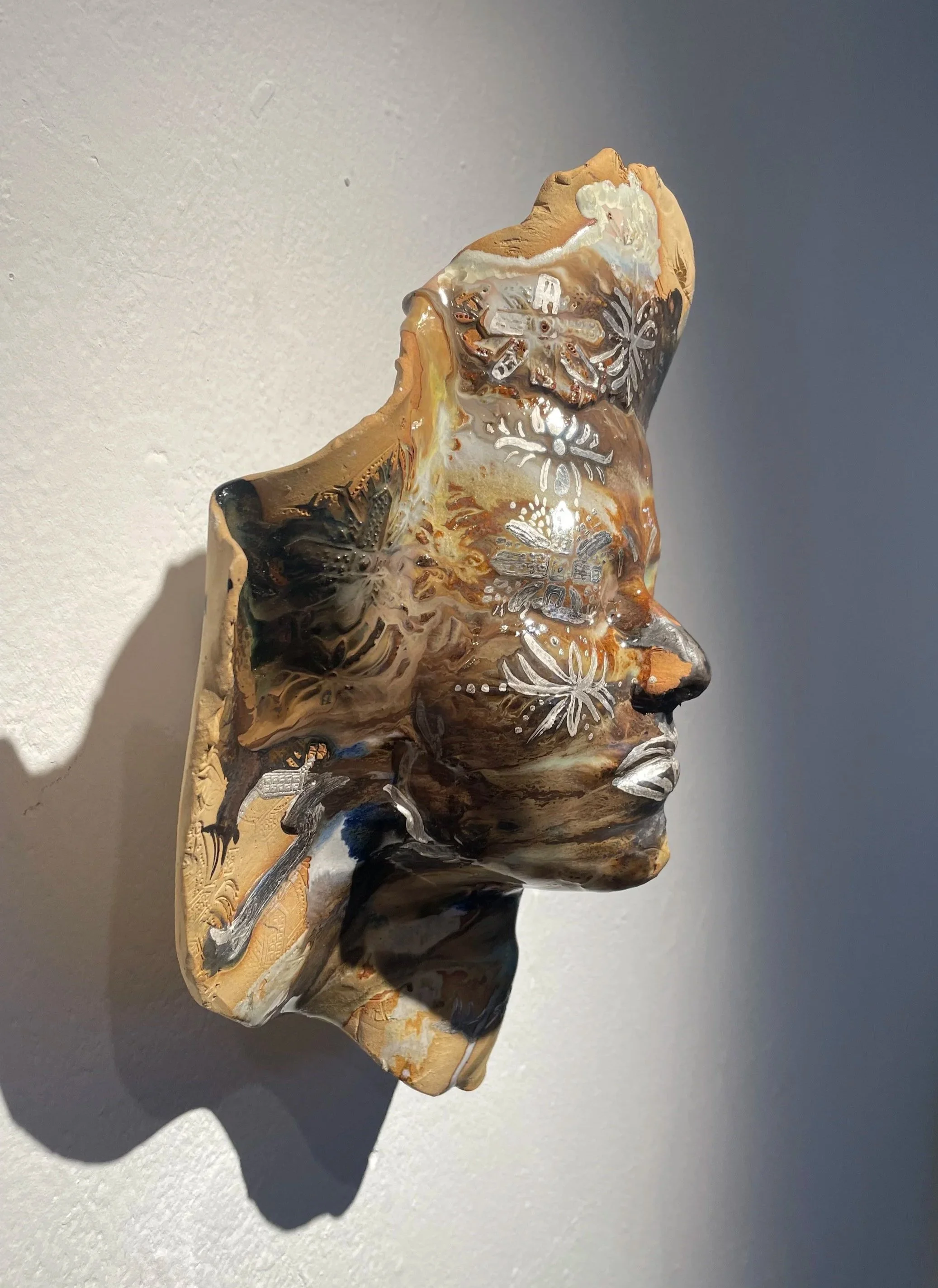
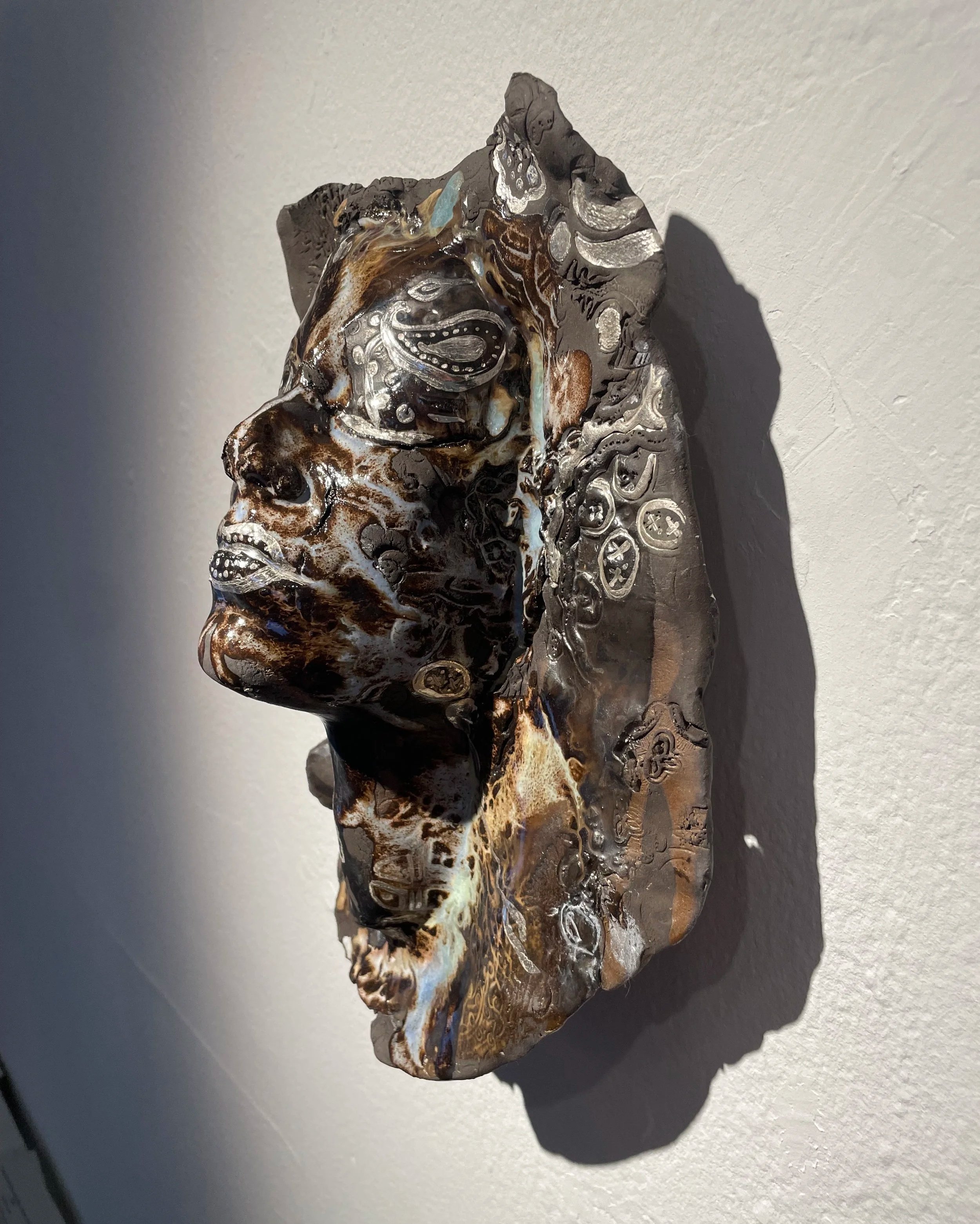
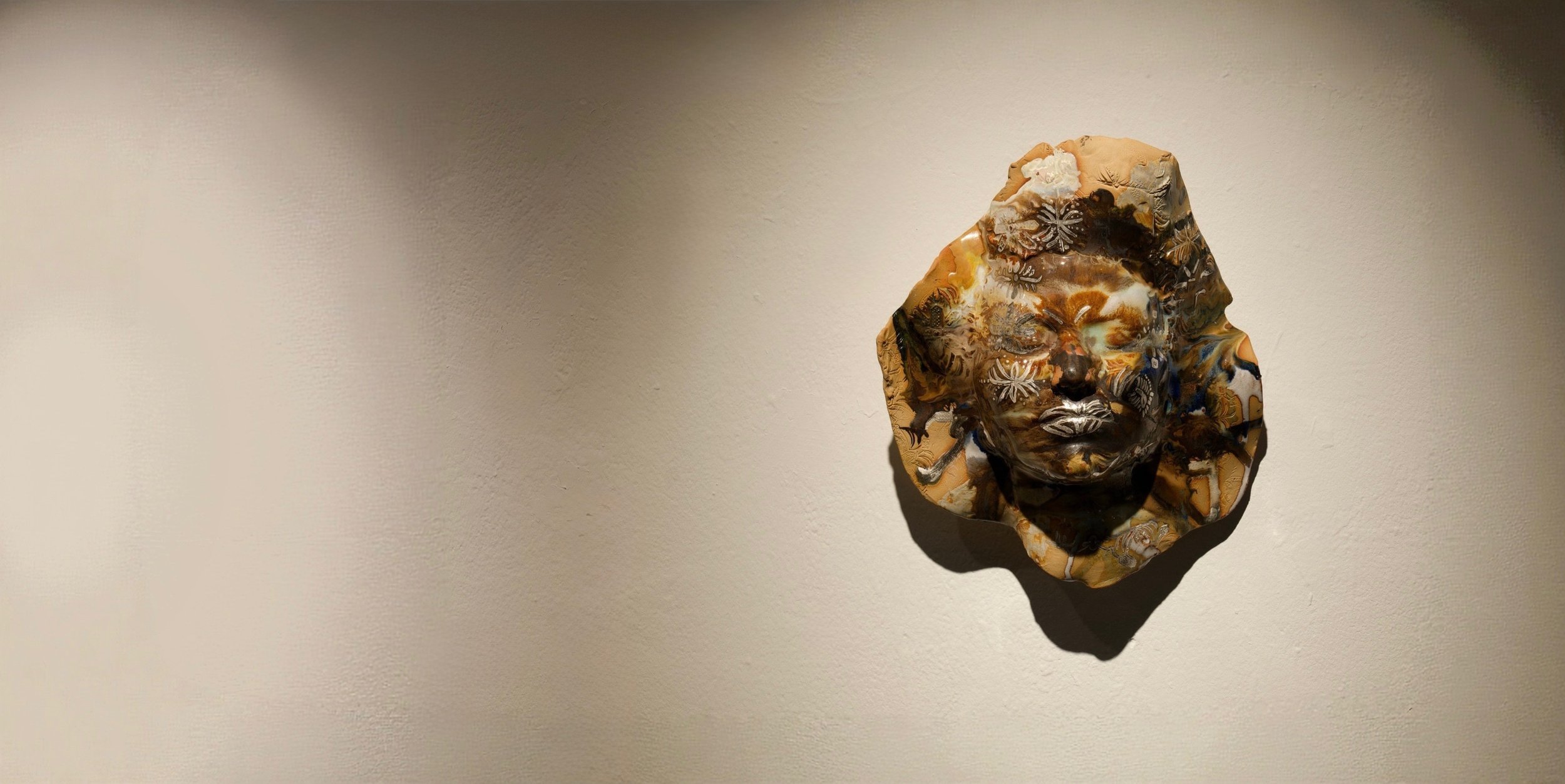
I take the traditional batik stamp, with all its intricate patterns, and press it into clay—much like how society presses its marks into us, shaping who we are without our consent.
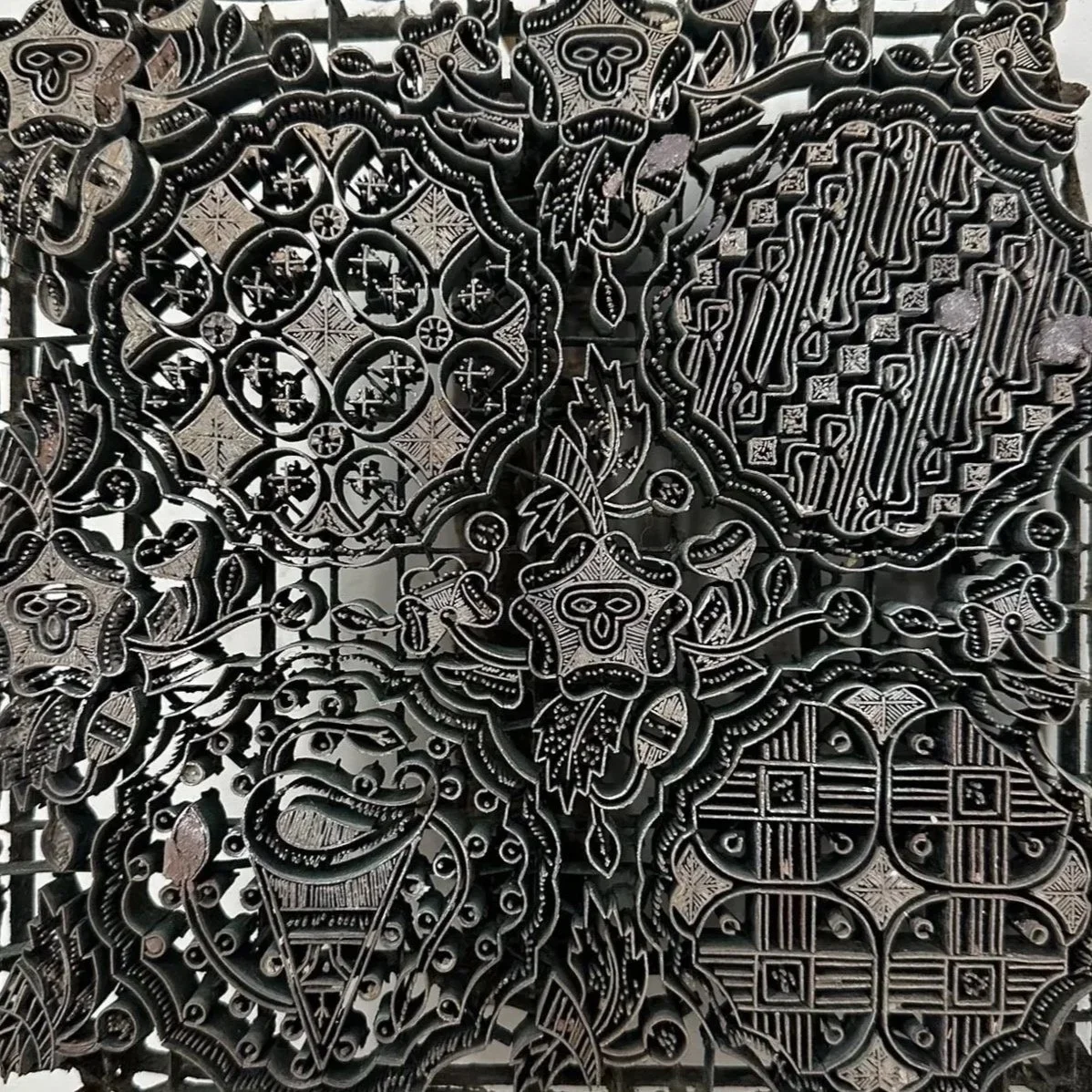
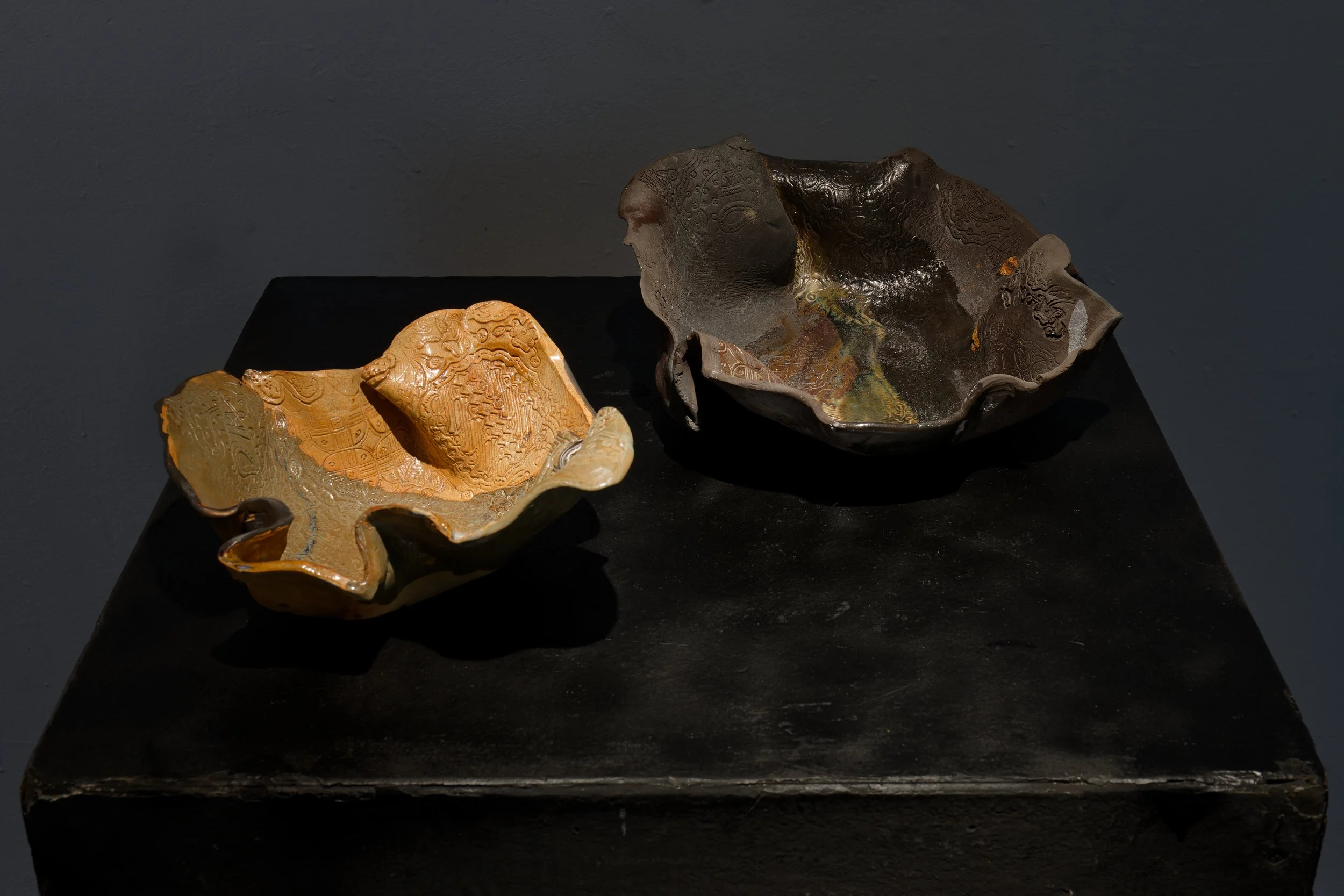
The clay absorbs the pattern just as I’ve absorbed the cultural imprints of my upbringing in Singapore, my time in the Netherlands, and the legacy of colonialism that flows through both.
But the process is not clean or easy.
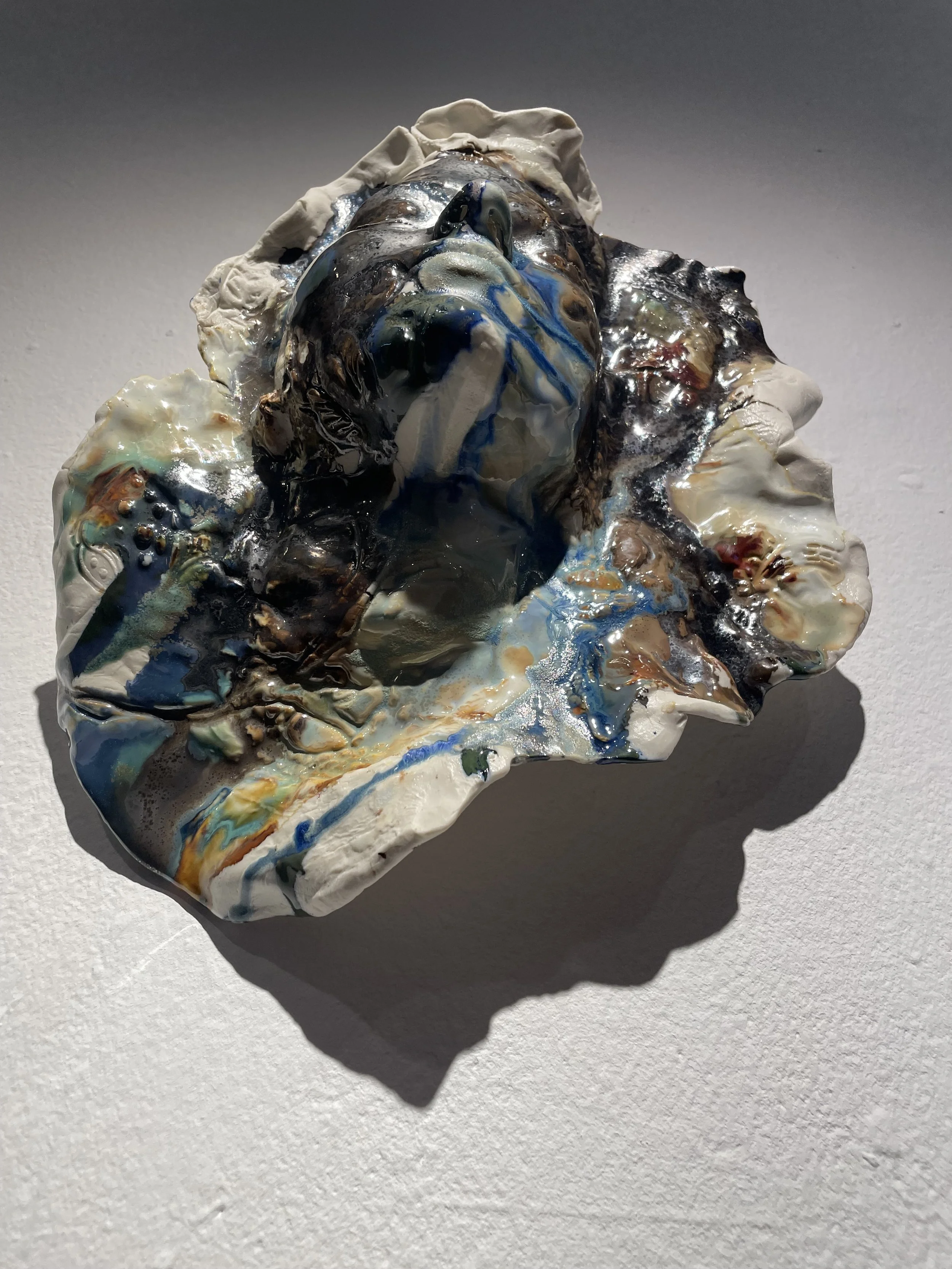
The clay distorts. Tears. Reshapes itself under pressure, just as I have had to bend and adapt through conflicting identities.
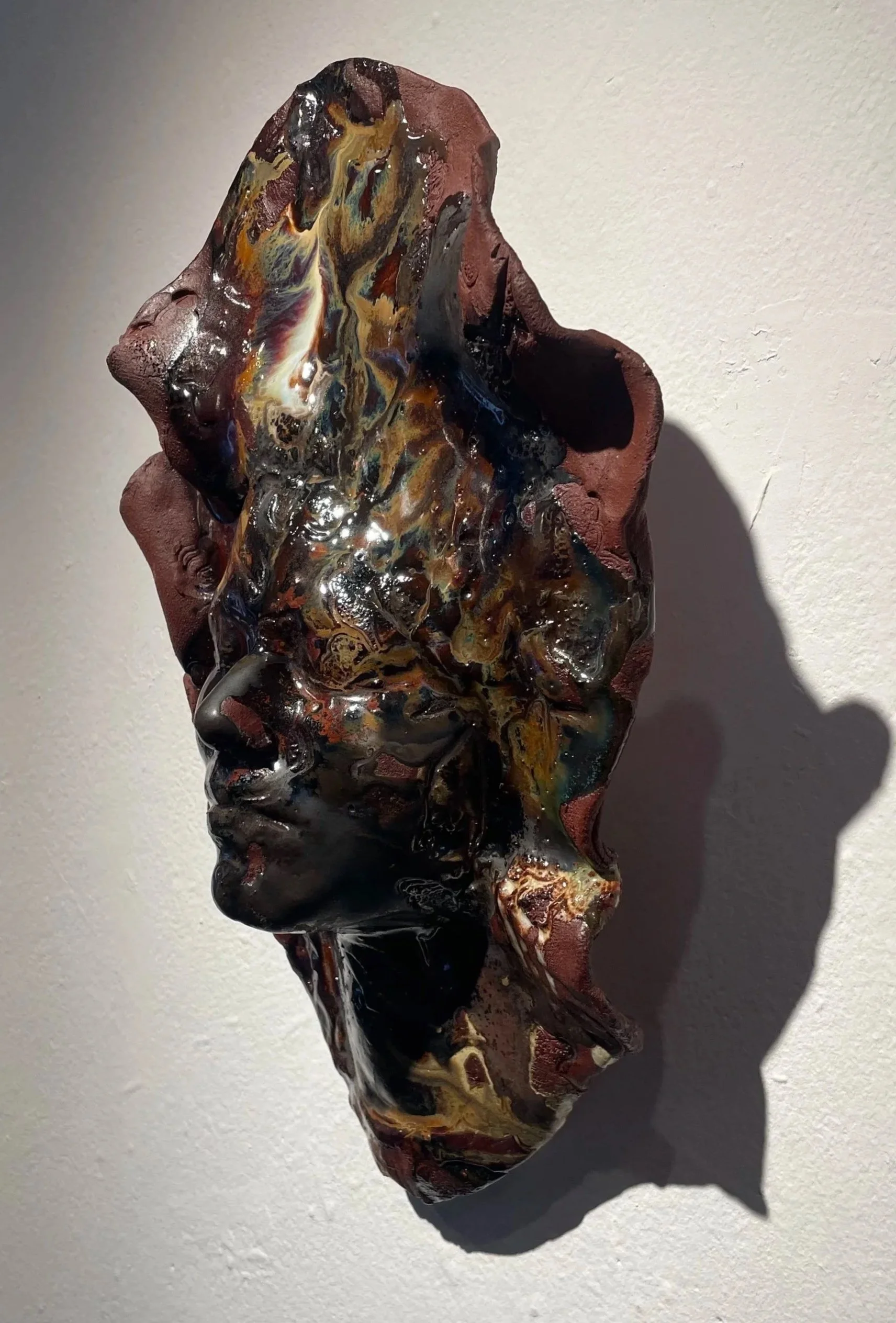
When I press the batik patterns into molds of my own face, the result is beautifully flawed—like temple ornaments with parts missing or misaligned, reflecting the imperfections in my journey to find where I fit.
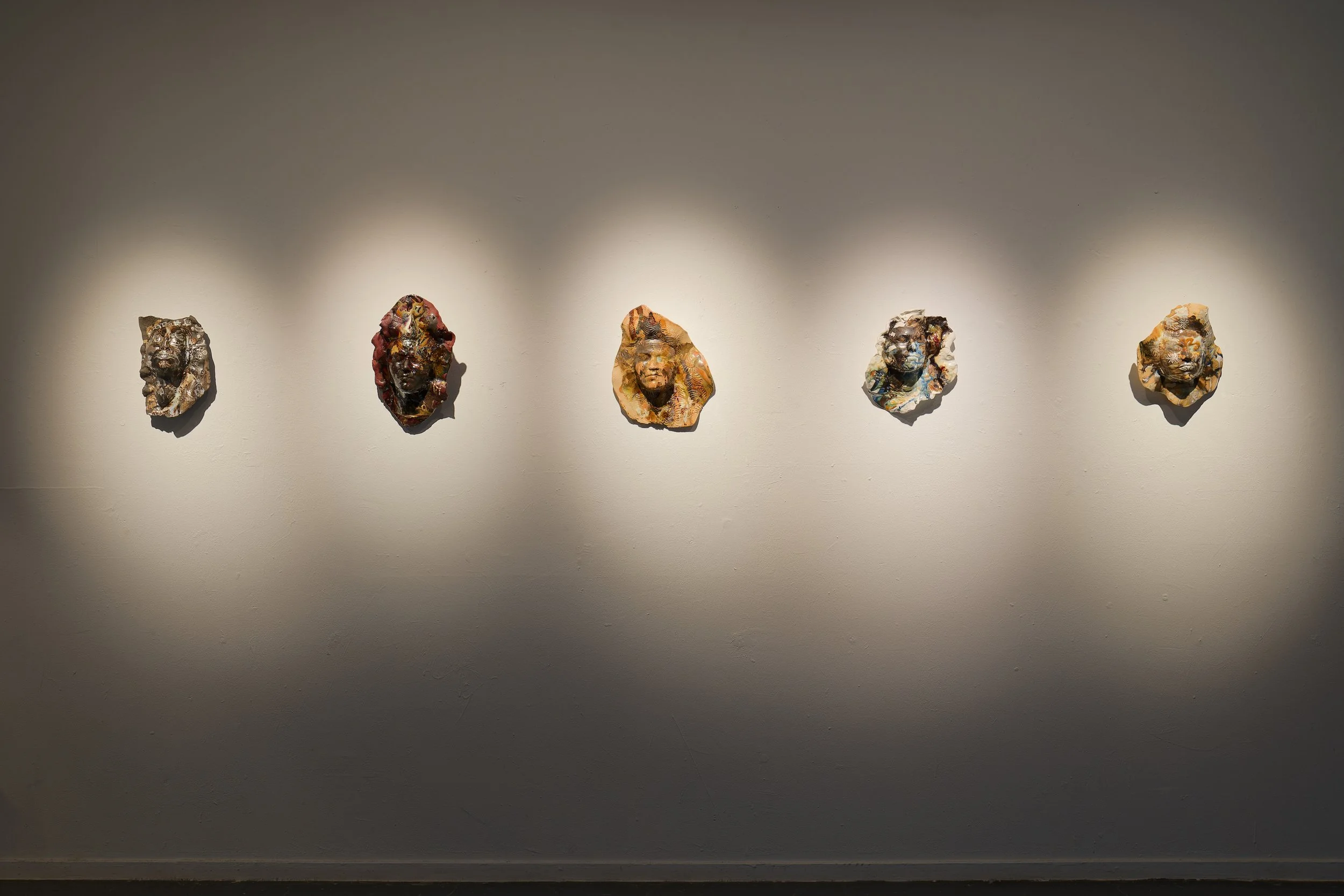
I experiment with different clay bodies to symbolize the diversity of human experiences.
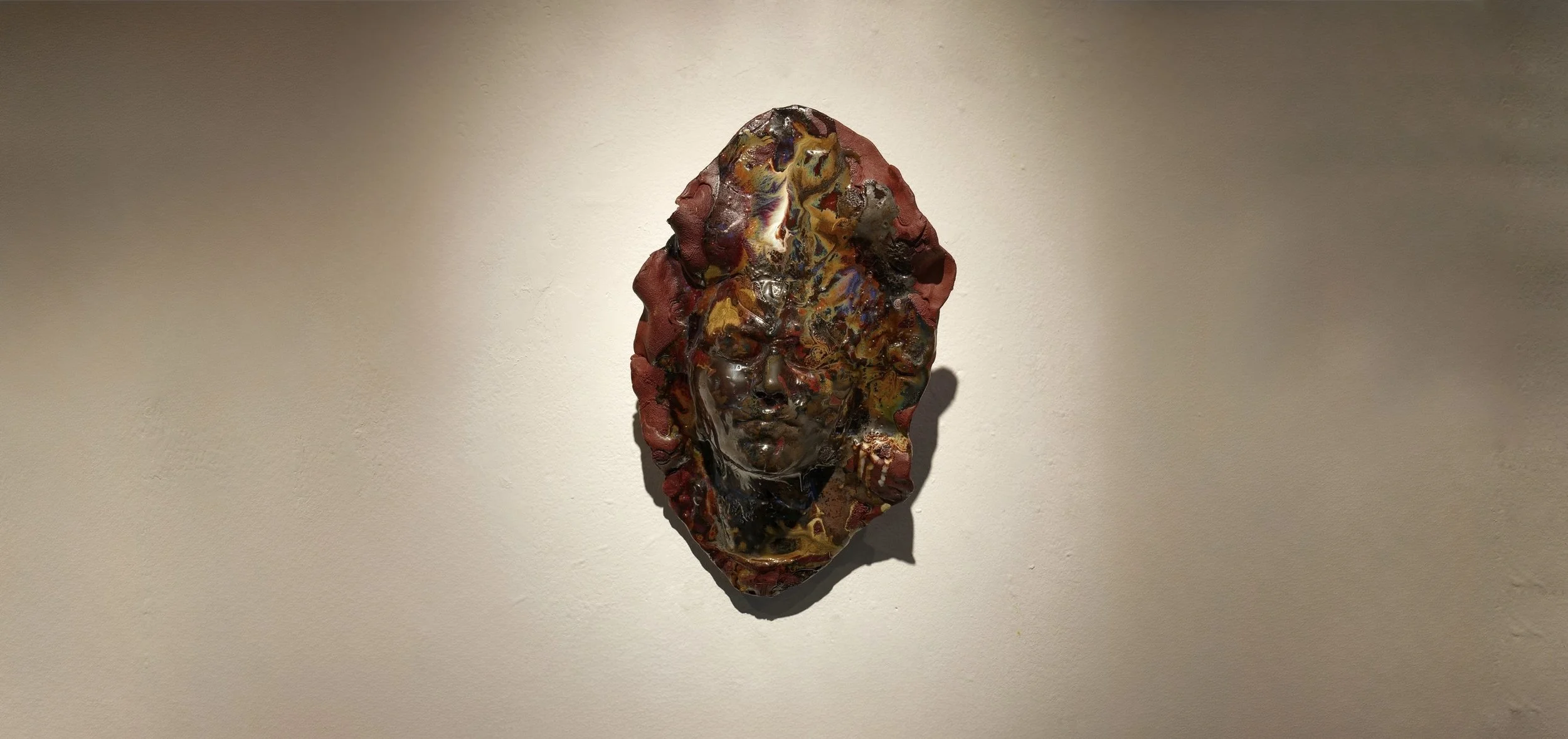
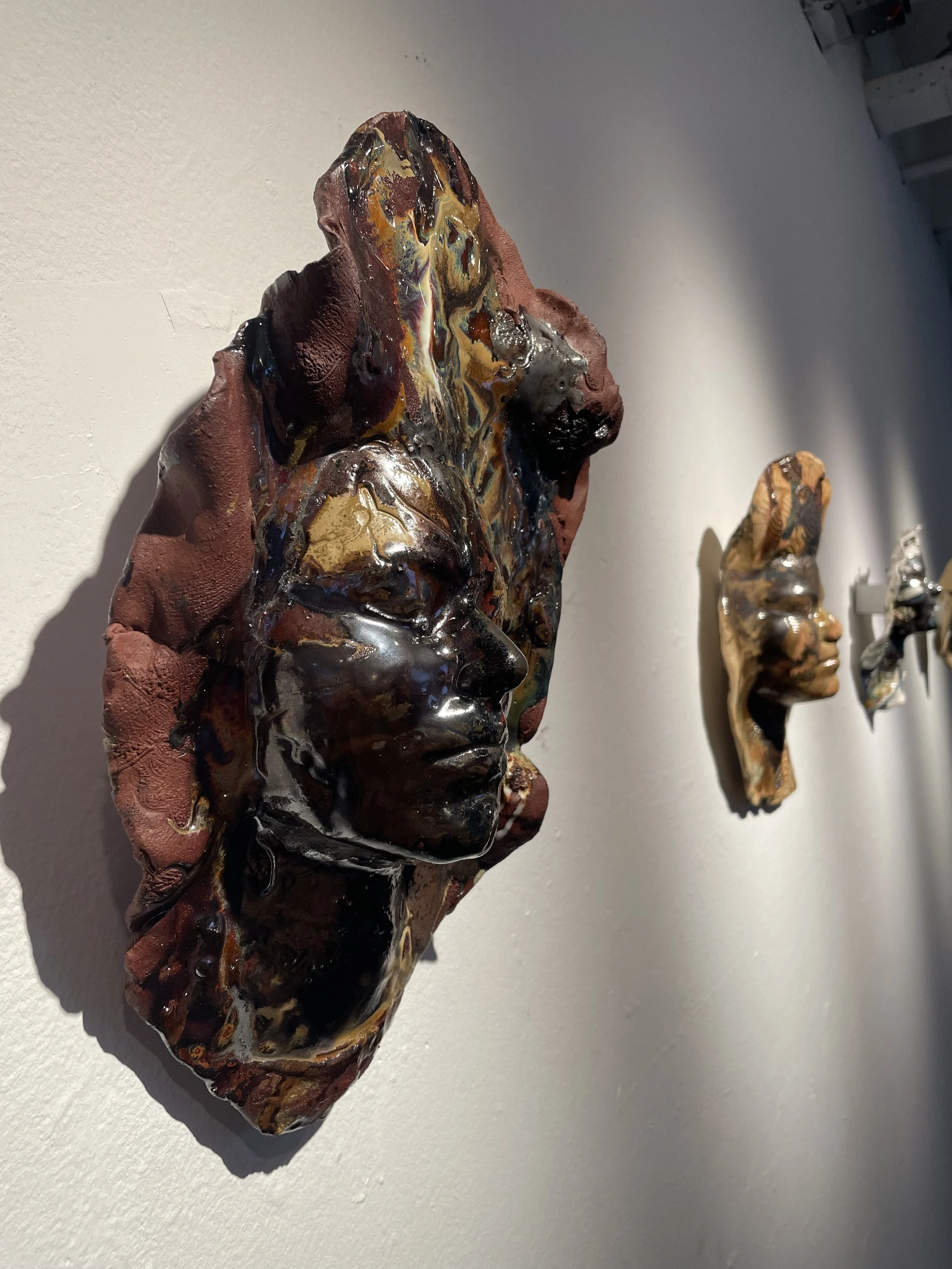
No two pieces are the same, even though they undergo the same process — much like how people can be shaped by similar cultural forces but still emerge with vastly different identities.
The glazes I apply partially cover the batik imprint, much like how my memories of Singapore, the identity I felt so strongly as a child, are now layered under new experiences, new places, and the perceptions others have of me. These imprints are still there, but they’re hidden, altered, evolving.
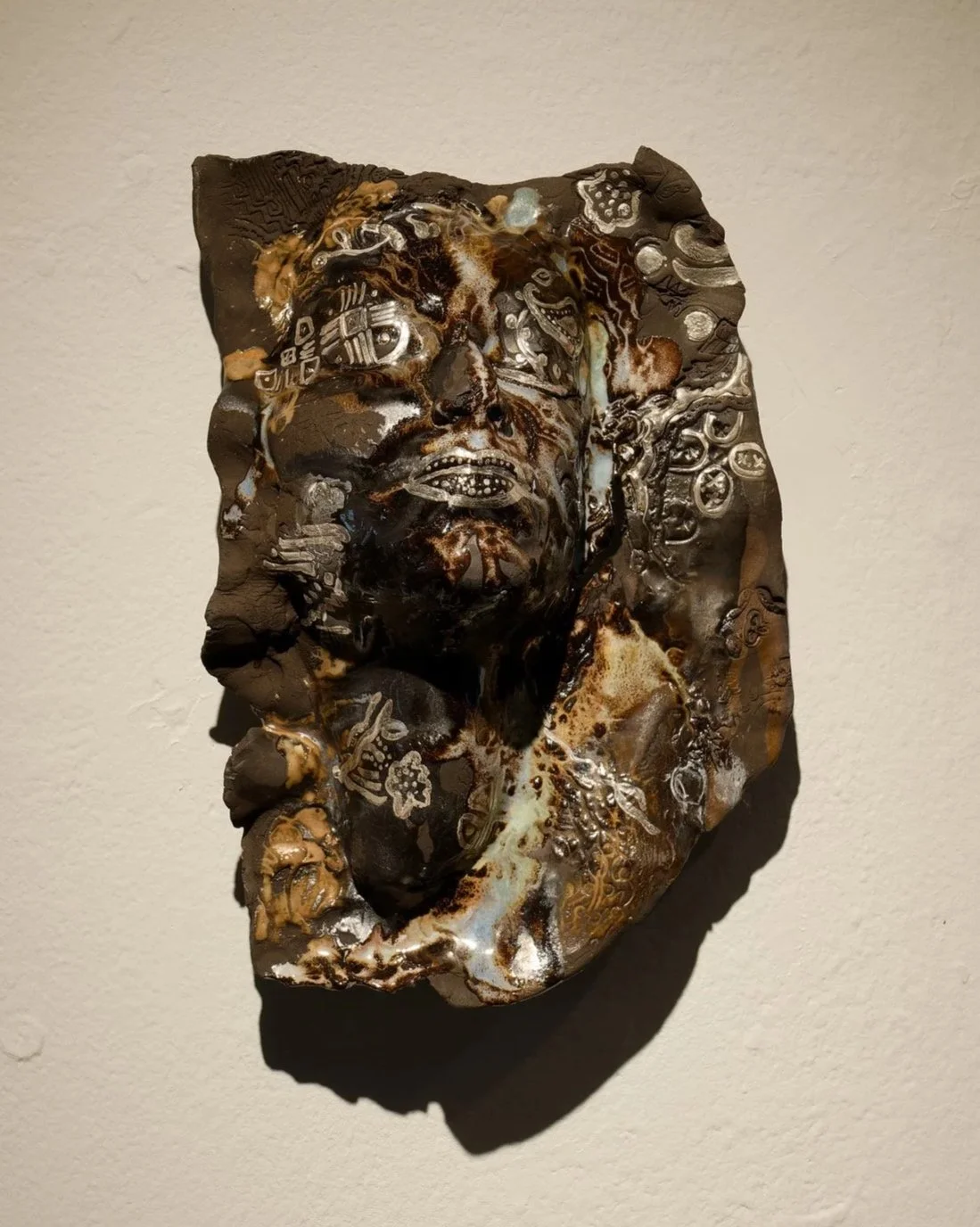
Indonesian batik, especially coastal batik, is itself a product of cultural fusion — formed through the interplay of Dutch, Chinese, and local Indonesian influences.
With my batik ceramics I want to honor that layered history while reflecting my own story of cultural fusion, of being caught between identities, and the impact colonialism has had on shaping both personal and collective legacies.
This project is deeply personal.
It’s about honoring my ancestry, yes, but it’s also about the human need to find a sense of belonging in a world that often doesn’t offer easy answers.
It’s about the marks that culture leaves on us and the ways we carry those marks, sometimes hidden, but always present, as we move through life.